
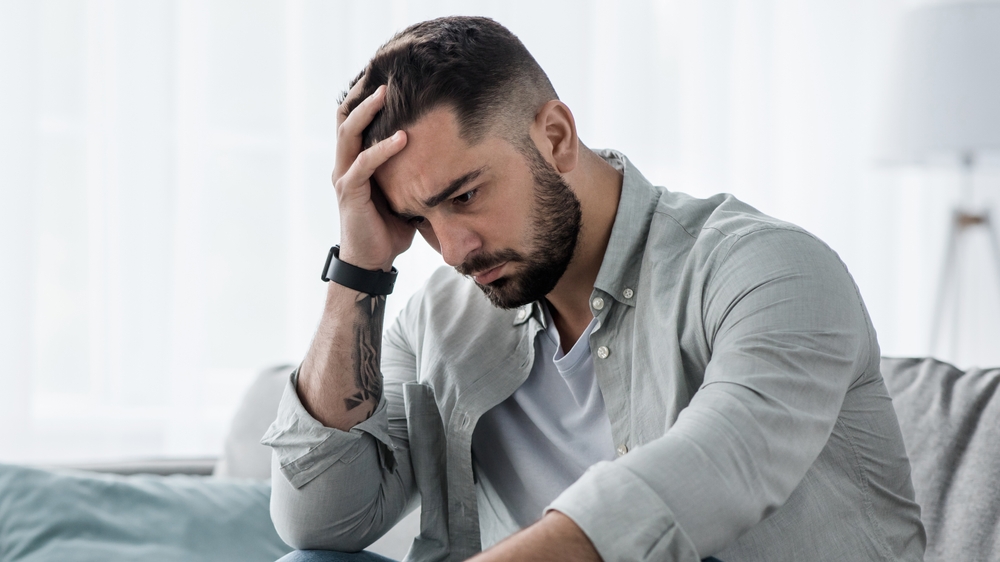
It is excruciating to watch a loved one or a friend go through the struggles of opioid dependence. Opioid use disorder (OUD) is a public health crisis in the United States. It is characterized by a compulsive use of the drug even when your loved one wants to stop. Let’s take a look at the signs of opioid dependence and when to seek help.
Anyone Can Become Dependent on Opioids
The purpose of opioids is to relieve pain, and many dependent individuals develop the disorder due to an initial prescription by a physician. No one yet knows exactly why one person may become dependent and another does not.
Not only do opioids reduce pain, but they can give someone a feeling of euphoria. It’s that extra special feeling that creates the need for more. In order to maintain that euphoric feeling when it begins to diminish, the person may take the drug more frequently or at a higher dose all due to the craving. The sad part of this disorder is that it can only take a few weeks to become dependent.
Risk Factors and Common Signs of Opioid Dependence
Researchers speculate that certain people are more susceptible to dependence due to physical and emotional factors. Someone who has a family history or genetic dependence on other drugs is more likely to become dependent on opioids. Someone who has issues with self-confidence, anxiety or anger can become more easily dependent.
Signs of opioid dependence vary but can include the following:
Physical Signs:
- Withdrawal symptoms like sweating and cravings.
- Digestive issues like diarrhea, constipation, nausea, and vomiting
- Slowed breathing
- Physical exhaustion, fatigue, and sleepiness
- Body aches like cramping, muscle spasms, joint pain, and headaches
If you or someone you love is exhibiting these symptoms, now is a good time to ask for help from New Brunswick & Burlington Counseling Center.
Behavioral Signs:
- Lack of interest in things they used to love
- Becoming withdrawn
- Denial and sometimes lying
- Poor job or school performance
- Doing anything to obtain more drugs
- Slow or slurred speech
Cognitive Signs:
- Decreased attention span
- Memory problems
- Confusion and disorientation
- Impaired decision making
In addition, someone dependent on opiates may show mood changes and become easily irritated or depressed. They may become disconnected from loved ones and even have suicidal thoughts. Weight loss, decreased libido, and lack of hygiene is common.
Treatment for Opioid Dependence in Mt. Holly and Burlington
Any of these behaviors can be dangerous and increase the possibility of further dependence. Taken together, don’t ignore them in a friend, a loved one, or yourself.
There is help.
Contact New Brunswick & Burlington Counseling Center for treatment if you suspect a loved one is opioid dependent or if you are experiencing these signs.
Sources: